The discussion focused on the 20th biannual report of the Secretary-General on the threat posed by Da’esh to international peace and security.
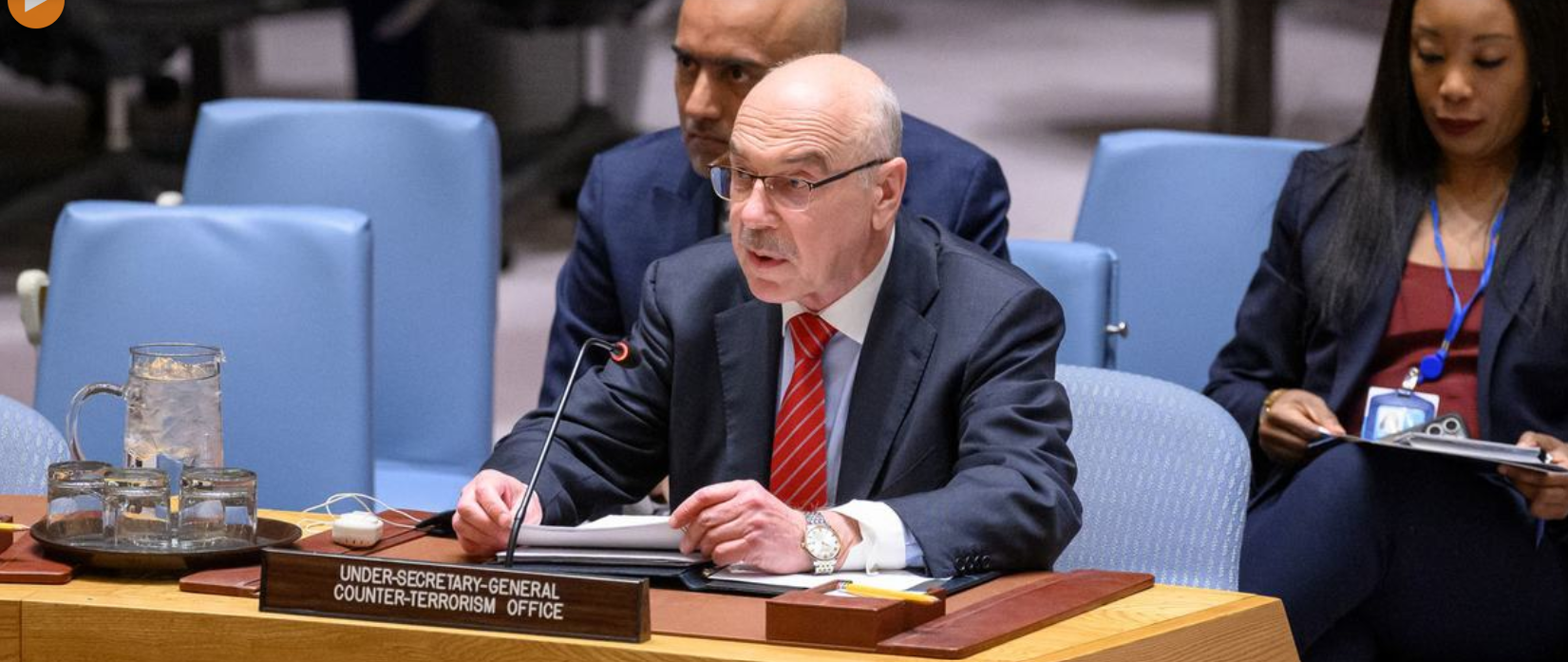
“Terrorism remains a significant and evolving threat to global peace and security, one that no State can confront in isolation,” said Under-Secretary-General Vladimir Voronkov, Head of the UN Office of Counter-Terrorism.
“Da’esh remains agile, taking advantage of ongoing conflicts and regions experiencing growing instability,” emphasised Natalia Gherman, Executive Director of the Counter-Terrorism Committee Executive Directorate (CTED).
This comes amid shifting global counter-terrorism efforts, including the conclusion of the Investigative Team to Promote Accountability for Crimes Committed by Da’esh (UNITAD) mandate, which leaves behind a significant judicial support legacy for future accountability processes.
Ongoing threats in Syria
The volatile situation in the Syrian Arab Republic is concerning, “especially as there is a risk that stockpiles of advanced weapons could fall into the hands of terrorists,” explained Mr. Voronkov.
The risk is particularly high in the Syrian Badia region, the central hub for Da’esh’s external operational planning.
Meanwhile, over 40,000 people – including women and children – are stuck in overcrowded camps in northeastern Syria due to the ongoing instability. Many face extreme shortages of clean water, medical care and sanitation.
The Under-Secretary-General stressed the need for urgent action, noting that repatriation efforts have slowed dramatically: “Only five Member States reportedly repatriated more than 760 individuals from Iraq and the Syrian Arab Republic,” he noted.