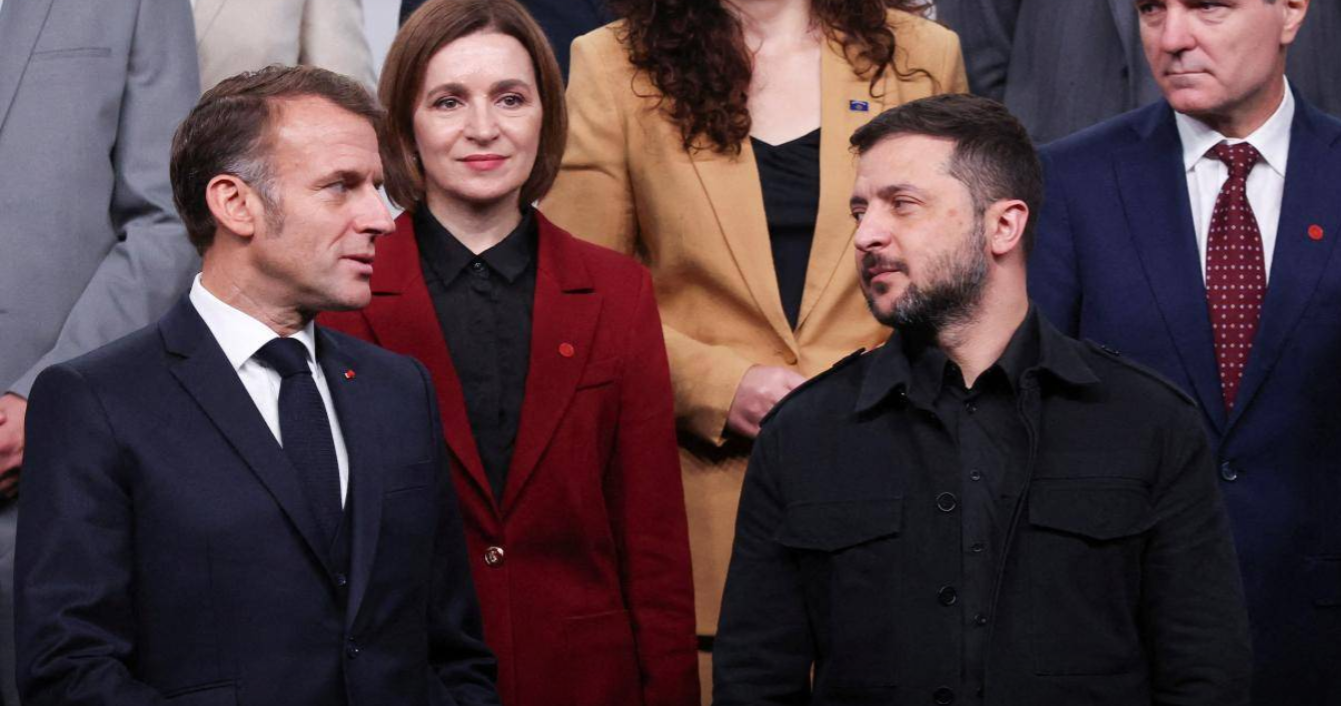
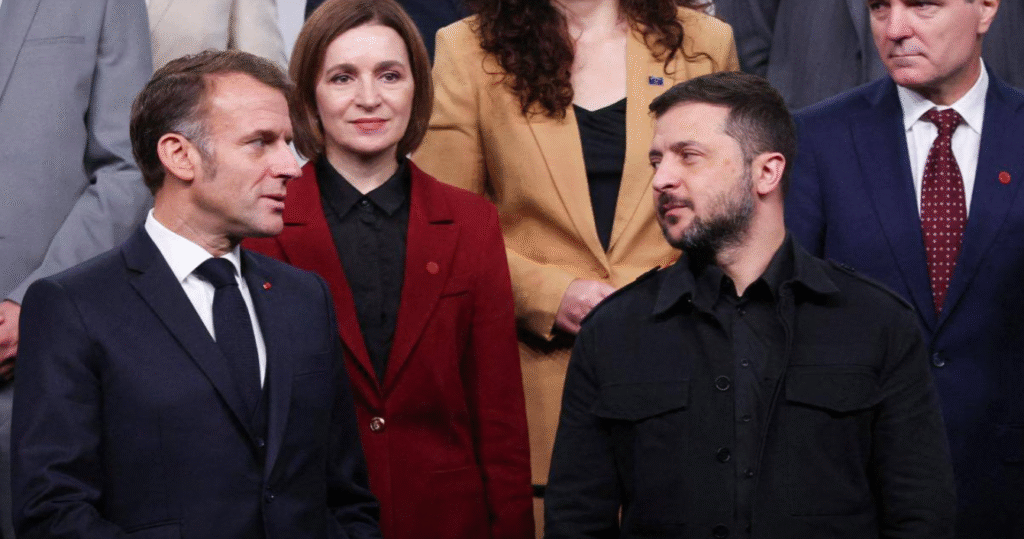
The European Political Community (EPC) held its seventh meeting in Copenhagen on 2 October. There was no guarantee that the EPC, a 2022 initiative of French President Emmanuel Macron, would ever last this long. It was met with much scepticism at its creation, from candidate countries to the European Union, from Germany and even from France itself. But the continuing high attendance of national leaders indicates that the idea certainly has merit. Still, questions remain about its purpose.
A one-of-a-kind standing conference
Leaders’ continued attendance is due in part to the continuing severe security outlook for Europe. The EPC was proposed immediately after Russia’s full-scale invasion of Ukraine. The war raised deeper questions about Europe’s security architecture, made even more acute since President Donald Trump’s return to power.
Times of trouble require new opportunities for privileged dialogue. The EPC has provided a greater scope for reflection, grasping the whole continent from Iceland and Greenland to the UK and Turkey, regardless of EU membership, reflecting the shared links and interests inherent in a geography that neither globalization nor the digital age have overcome.
The EPC…allows for wide-ranging discussions between leaders from ‘small’ and ‘big’ countries. A lack of expectation of declarations or treaties sometimes serves as a strength.
The EPC is also boosted by the simplicity of its informal format. It only took a launching summit in Prague to officially create it. It has no true legal basis (there is no founding treaty). It has no institutional or budgetary resources. Membership requires no preparation. Its summits do not adopt any conclusions, favouring instead direct exchange between peers. This informality distinguishes the EPC from well-established organizations such as the Council of Europe or the OSCE, avoiding their cumbersome protocols and procedures – sometimes compared to a kind of European political Davos.
That informality means the EPC is not equipped to deliver concrete projects. However, it has a proven ability to communicate European messages of political solidarity: it sent a clear signal of support for Ukraine at its launch in Prague. At its Budapest summit, it hosted continent-wide consultation in the aftermath of Trump’s election.
The 2024 Blenheim summit provided a showcase for post-Brexit rapprochement: Indeed, for the UK, the EPC has provided an important opportunity to return to the European stage independently of Starmer’s ‘reset’ with the EU. The UK’s enthusiasm is cross-party – Tory governments had pushed for a summit to be held in the UK.